

In the competitive world of e-commerce, product pages are often the first interaction customers have with your brand. These pages are crucial for driving organic traffic from search engines, making it essential to optimize them for SEO. In this guide, we will explore strategies to optimize your product page content, improve load speed, and enhance image optimization to boost your search engine rankings and drive conversions.
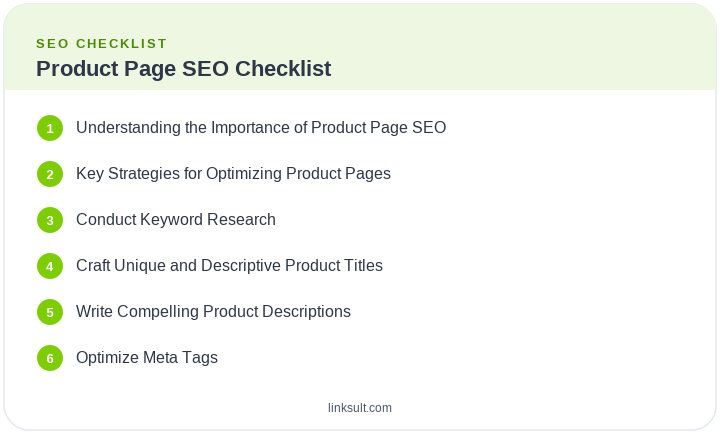
This guide provides key tactics for optimizing your product pages for SEO. We’ll discuss how to enhance product titles, meta tags, and image optimization with effective alt text. Learn to leverage long-tail keywords and user-generated content to enrich your product page content. We’ll also cover conducting a product page SEO audit, addressing duplicate content, and improving load speed for a better user experience. By implementing these strategies, including local SEO and rich snippets, you can boost your e-commerce product pages and achieve higher search engine rankings.
Understanding the Importance of Product Page SEO
Product page optimization is a vital aspect of e-commerce SEO. Optimized product pages improve visibility in search engine results, increase the likelihood of attracting qualified traffic, and enhance user experience.
Key Strategies for Optimizing Product Pages
1. Conduct Keyword Research
The first step in optimizing your product pages is conducting thorough keyword research. Identify keywords that potential customers are using to search for products similar to yours. Utilize tools like Google Keyword Planner, Moz, or SEMrush to find relevant keywords with decent search volumes and low competition.
If you sell wireless headphones, potential keywords could include “best wireless headphones,” “noise-canceling wireless headphones,” and “affordable wireless headphones.”
2. Craft Unique and Descriptive Product Titles
The product title is one of the most important on-page SEO elements. Ensure that your product titles are descriptive, include primary keywords, and accurately represent the product, Best Practices are:
- Keep titles under 60 characters to ensure they are fully visible in search results.
- Include brand names, product type, and key features.
Instead of using a generic title like “Wireless Headphones,” opt for a more descriptive title such as “Sony WH-1000XM4 Noise-Canceling Wireless Headphones.”
3. Write Compelling Product Descriptions
Product descriptions should not only inform but also engage potential customers. Write unique, compelling, and keyword-rich descriptions that highlight the benefits and features of the product, Best Practices are:
- Aim for at least 300 words to provide enough detail.
- Use bullet points for features and specifications for easy readability.
A product description for “Sony WH-1000XM4” might include details like battery life, noise-canceling capabilities, and compatibility with various devices.
4. Optimize Meta Tags
Meta tags, including title tags and meta descriptions, are crucial for SEO. They provide search engines and users with information about your product pages.
- Title Tags: Include primary keywords and keep them under 60 characters.
- Meta Descriptions: Write engaging descriptions (150-160 characters) that encourage clicks.
Example:
- Title Tag: “Sony WH-1000XM4 Noise-Canceling Wireless Headphones”
- Meta Description: “Shop Sony WH-1000XM4 wireless headphones with advanced noise-canceling technology. Experience superior sound quality and comfort!”
5. Use High-Quality Images
Images play a significant role in e-commerce, impacting both user experience and SEO. Use high-resolution images that showcase the product from multiple angles, Best Practices are:
- Optimize image file names with relevant keywords.
- Use descriptive alt text for each image to improve visibility in image search results.
For a product image of wireless headphones, use a file name like “sony-wh-1000xm4-wireless-headphones.jpg” and alt text like “Sony WH-1000XM4 Noise-Canceling Wireless Headphones.”
6. Implement Structured Data Markup
Structured data markup helps search engines understand your product details better. Utilizing schema markup for products can enhance search visibility by enabling rich snippets, which display additional information like pricing, ratings, and availability.
7. Optimize for Mobile
Ensure your site is responsive and provides a seamless shopping experience on smartphones and tablets, Best Practices are:- Test your site on various mobile devices.
- Ensure buttons and links are easy to click on mobile screens.
8. Improve Page Load Speed
Page speed is a crucial factor for user experience and SEO. Slow-loading pages can lead to high bounce rates and lost sales. Google recommends a page load time of under three seconds for optimal user engagement, Tips to Improve Load Speed are:
- Optimize images and use appropriate file formats (e.g., JPEG, WebP).
- Minimize HTTP requests and leverage browser caching.
9. Encourage User Reviews
User-generated content, such as customer reviews, can significantly boost your SEO efforts. Reviews provide fresh, keyword-rich content and help build trust with potential buyers.
10. Utilize Internal Linking
Internal linking helps guide users to other relevant content on your site and improves overall site navigation. Link to related products or blog posts within your product descriptions.
In a product page for wireless headphones, you might include a link to a related blog post like “How to Choose the Best Wireless Headphones.”
11. Monitor and Analyze Performance
Regularly monitoring your product page performance is essential for understanding what strategies are effective. Use tools like Google Analytics and Google Search Console to track organic traffic, keyword rankings, and user behavior.
The Link Between User Experience and SEO
User experience and SEO are closely intertwined. Search engines, particularly Google, prioritize websites that provide a superior user experience. Factors like page load speed, mobile optimization, and overall usability can significantly impact search rankings. Thus, ensuring a seamless user experience is not only crucial for retaining visitors but also for improving your search engine visibility.
Key Factors of User Experience Impacting E-commerce SEO
- Site Speed
Site speed is one of the most critical elements affecting user experience and SEO. A slow-loading website can lead to high bounce rates and reduced customer satisfaction.
- Compress images to reduce file sizes.
- Minimize HTTP requests by combining CSS and JavaScript files.
- Use a content delivery network (CDN) to improve loading times for global users.
Websites like Amazon and Walmart have invested significantly in optimizing their site speed, resulting in better user retention and higher conversion rates.
- Mobile Responsiveness
- Use a responsive web design framework like Bootstrap or Foundation.
- Test your website using Google’s PageSpeed Insights mobile report tool to identify and fix any issues.
- Intuitive Navigation
Clear and intuitive navigation is vital for enhancing user experience. If users struggle to find what they’re looking for, they are likely to leave your site. Effective navigation not only helps users explore your products but also positively impacts SEO, Best Practices are:
- Use descriptive labels for menu items and categories.
- Implement breadcrumb navigation to help users understand their location within the site hierarchy.
- Limit the number of clicks required to reach product pages.
E-commerce giant IKEA employs a straightforward navigation structure, allowing users to easily explore categories and find products quickly.
- Quality Content
Providing high-quality, relevant content enhances user experience and boosts SEO. Engaging product descriptions, informative blog posts, and user-generated content can attract and retain visitors. According to a study by HubSpot, content marketing can increase organic traffic by up to 300%. Best Practices are:
- Write unique, informative product descriptions that highlight key features and benefits.
- Incorporate multimedia elements like images, videos, and infographics to enrich the content.
- Encourage customers to leave reviews, which can also contribute to fresh content on your product pages.
- Effective Call-to-Action (CTA)
Well-placed and compelling CTAs guide users through the purchasing process. A clear CTA can significantly improve conversion rates and overall user experience.
- Use contrasting colors to make CTAs stand out.
- Keep CTA text clear and action-oriented, such as “Buy Now” or “Add to Cart.”
- Search Functionality
A robust search functionality enhances user experience by allowing customers to quickly find products. Implementing an efficient search feature can reduce bounce rates and increase conversions, Best Practices are:
- Use auto-suggest and auto-complete features to guide users as they type.
- Implement filters to help users narrow down search results based on categories, price ranges, and other attributes.
The Importance of User Feedback
Gathering user feedback is essential for continuous improvement. Customer insights can provide valuable information about pain points and areas for enhancement. Implement tools like surveys, feedback forms, and usability testing to gather data on user experiences.
Measuring User Experience Impact on SEO
To understand how user experience impacts SEO, you must track relevant metrics. Tools like Google Analytics and Google Search Console can help monitor user behavior and site performance, Key Metrics to Track are:
- Bounce Rate: A high bounce rate may indicate poor user experience or irrelevant content.
- Average Session Duration: Longer session durations suggest that users find your content engaging.
- Conversion Rate: Track the percentage of visitors who complete a purchase or desired action.
Conclusion
Optimizing product pages for SEO is a fundamental aspect of e-commerce success. By implementing the strategies outlined in this guide, such as optimizing product titles, using effective meta tags, and enhancing image optimization with proper alt text, you can significantly improve your product pages and increase search engine visibility. Additionally, focusing on long-tail keywords and incorporating user-generated content will enrich your product page content. Remember that SEO is an ongoing process, so conducting a thorough product page SEO audit and addressing issues like duplicate content and load speed is key to staying ahead in the competitive e-commerce landscape. Continuous optimization and analysis will ultimately drive more sales and improve the performance of your e-commerce product pages.
How Linksult Can Help With Product Page SEO
If you want expert help putting this guide into action, our ecommerce SEO services cover everything above, from research and fixes to content, links and clear monthly reporting.
Explore more strategies in our SEO guide by industry, or request a free SEO quote for a plan built around your business.
Let Linksult handle your E-commerce SEO
Get more traffic and conversions with Linksult’s proven SEO solutions.

